 VideoAmericanGuru
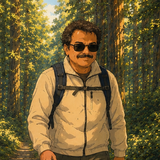
Four towns, one valley, and more outdoor hours logged here than anywhere else we go. The Tri-Valley is where the East Bay stops being suburbs and starts being ridgeline.

Most Bay Area day-trip lists skip straight past this valley on the way to Yosemite or the coast. That's a mistake we're happy to let other people keep making. Forty minutes from Oakland, the Tri-Valley has genuine ridge hiking, thirty car-free miles of paved rail trail, a wine region older than Napa's reputation, and roughly eight weeks a year when the hills turn a green that photographs like Ireland.
Know before you go
- Where
- Pleasanton, San Ramon, Dublin and Danville, along the I-680 and I-580 corridors east of Oakland
- Best season
- Mid-January through April for green hills and wildflowers; October and November for clear, cool ridge days
- Hardest season
- July through September, when the valley floor runs 95-105°F. Dawn or don't bother
- Dogs
- Excellent. Off-leash under voice control on most EBRPD ridge trails, leashed on the Iron Horse
- Cost
- Free, except $5-8 parking at some regional park staging areas
The green season is the whole point
If you only come here once, come in February or March. California's hills run gold for eight months and nobody photographs them; then the winter rains land and the Tri-Valley ridges turn an absurd, saturated green that lasts a few short weeks before the heat takes it back.

What makes it photograph so well is the light. Spring here means unstable air, which means real cumulus - the piled, bright-edged kind - instead of the flat marine layer that sits over the Bay most of the year. Get up on a ridge at four in the afternoon and the clouds do most of the work for you.

The green holds longest on north-facing slopes and in the creases where water collects. By mid-May the south faces have already turned; by June it's all gold again and you're hiking at dawn or not at all.

The ridges
- Pleasanton Ridge Regional Park - the hometown classic. Oak-studded ridgeline loops from four to eight miles, with valley views the entire way. The climb from the Foothill staging area is honest work for the first mile and then it opens up. Off-leash dog paradise under EBRPD rules.
- Las Trampas Regional Wilderness (San Ramon and Danville) - steeper and emptier than Pleasanton Ridge. The Rocky Ridge climb gains about 800 feet fast and pays it back with a view that runs from Mount Diablo to the Bay on a clear day.
- Mount Diablo's quieter side - enter via Danville's Mitchell Canyon for wildflower walks, or drive the summit road on a crystal winter day. The claim that you can see more of the earth's surface from Diablo than almost any peak in America gets tested and believed.
- Del Valle Regional Park (Livermore, 25 minutes on) - a five-mile lake in a golden canyon. Swim beaches, kayak and SUP rentals, fishing, and the stout Rocky Ridge loop. The Tri-Valley's one-stop summer day, because water solves the heat problem.
- Sunol Wilderness - fifteen minutes south, a world away. Alameda Creek's "Little Yosemite" cascades run best after winter rain, the wildflower slopes peak in March, and the Ohlone Wilderness Trail starts here.

The ridges all share one quirk worth planning around: they are completely exposed. There is essentially no shade above the oak line, no water, and the wind can be serious on an open saddle. Carry more water than the mileage suggests and treat a 70°F forecast on the valley floor as 80°F on the ridge in full sun.

Golden hour is the reason to stay late
The valley runs roughly north-south between two ridge systems, which means the last hour of light comes in sideways across the hills rather than straight down. Every fold in the terrain gets its own shadow. It's the single best thing about hiking here and the reason we keep coming back to the same handful of trails.

Practical version: start about ninety minutes before sunset, climb for forty, and turn around when the light goes orange. You will be walking the last mile in dusk, so carry a headlamp from October onward - the trails are easy underfoot but the staging-area gates do lock.


The ride: Iron Horse Trail
A rails-to-trails corridor runs more than thirty paved, car-free miles up the valley spine from Pleasanton through Dublin, San Ramon and Danville to Concord, and there is no better place in the Bay Area to restart a cycling habit. Flat, shaded in long stretches, coffee stops every few miles, family-safe end to end. Our beginner cycling guide was practically written on it.

The trail is also the valley's spine for everything else. Branch paths connect it to most neighborhoods, which is why a casual evening walk here tends to turn into four miles without anyone deciding to. Danville's downtown is the classic turnaround from the south; from Dublin or San Ramon you can be on it within a few minutes of leaving the house.

It gets good at night, too. The paved sections through San Ramon and Danville are lit, and a moonrise over the hills with the trail empty is one of the quieter pleasures of living out here.

Blossom season, late February
Before the hills peak, the street trees go first. The ornamental pears along the valley's older residential streets come into white blossom for about ten days in late February, and whole avenues close over into a tunnel.

It's a ten-minute walk rather than a day trip, but if you're here in that window it's worth routing an evening walk down a residential street instead of the trail. Shoot upward: the blossom reads best against blue sky, and the bare branch structure behind it is half the picture.

Summer, and how to survive it
From late June the valley is hot and the hills are gold. This is when visitors decide the Tri-Valley is boring, and they're wrong - they're just here at noon.

The summer pattern that works: ridge at 6:30 a.m. while it's still 60°F, back down by nine, Del Valle or a downtown patio in the afternoon, and back out for the last hour of light. The gold has its own appeal under high cirrus, particularly late in the day when the dry grass goes almost metallic.

The wine: Livermore Valley
One of California's oldest wine regions hides in plain sight at the east end of the valley - more than fifty wineries, tasting fees at half the Napa rate, picnic lawns, and zero pretense. Concannon and Wente anchor the historic end, and Wente's claim to most of California's Chardonnay lineage is a great tasting-room story. The small producers along Tesla Road pour the character.
Pattern for a perfect Saturday: Pleasanton Ridge at 8, downtown lunch at noon, two wineries after, someone else drives home.
The downtowns
Pleasanton's Main Street is the platonic ideal of a walkable downtown - Saturday farmers market, patio dining, and the arch photo everyone takes. Danville matches it with bookstore and brunch energy at the Iron Horse's best mile. San Ramon is the newest of the four and reads suburban until you realise City Center puts dinner ten minutes from a 2,000-acre wilderness. Dublin is the valley's transit hub, with two BART stations, which makes it the practical arrival point if you're coming car-free from the city.
Why the ordinary ridges are worth the attention
It is easy to treat this valley as the place you leave in order to go somewhere else - the staging ground for Yosemite, Tahoe, the coast. The photographs argue otherwise. Set the frames on this page beside the national-park galleries elsewhere on the site and the ridgelines hold up: deep spring green, side light across every fold in the terrain, and a valley far enough below to read as landscape rather than suburb.

The conditions that produce those frames are not the clear blue days. They are the unsettled ones - the afternoon after a front clears, when the cloud breaks up and the light comes through in pieces. A forecast of broken cloud in March is worth more here than a cloudless week in July.
🐾 Bringing your dog?
The Tri-Valley is elite dog country. Pleasanton Ridge, Las Trampas and Sunol allow off-leash under voice control (EBRPD rules - mind the cattle, and they are real cattle with real opinions), the Iron Horse Trail welcomes leashed trotting, many Livermore wineries host dogs on their lawns, and all four downtowns are patio-friendly. Summer valley heat is the constraint: ridge dawn patrol, shaded afternoons, water always. Pavement surface temperature on an afternoon trail can burn paws even when the air feels manageable.
Quick answers
Best single introduction to the area?
Pleasanton Ridge at 8 a.m., Main Street brunch at 11. That's the Tri-Valley thesis statement in four hours.
When exactly are the hills green?
Roughly mid-January to late April, peaking late February through March. It depends entirely on when the rain arrives - a dry January pushes everything back by weeks.
Can I do this without a car?
Partly. Dublin/Pleasanton and West Dublin BART put you on the Iron Horse Trail directly, so a bike day is easy. The ridge trailheads realistically need a car or a long approach ride.
Is Livermore wine actually good?
Yes, and more to the point, the experience per dollar beats the famous valleys. It's where locals take visitors who think they know California wine country.
More from the valley


